Every Second Sells
Topic:
Editing
Year:
05 April 2026
On editing for advertising, shaping attention, and knowing what to leave out.
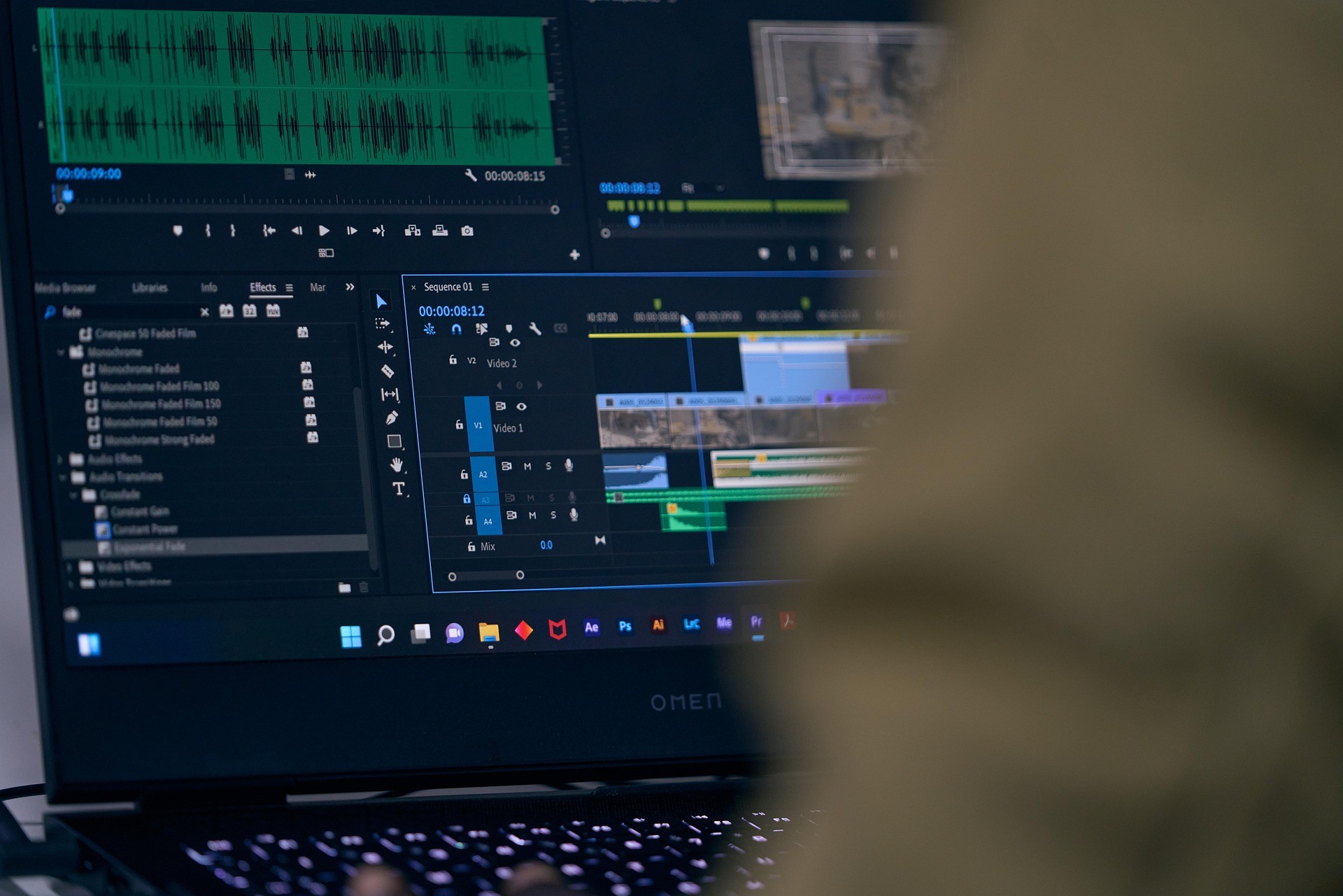
In advertising, every second matters. A shot can make a product desirable, a sequence can build anticipation, and a single cut can change how a message is understood. Editing is not simply about putting images together; it is about deciding how those images work together to achieve a specific goal.
The challenge is not just to make a piece look good or feel right. It is to make every decision serve the idea, the product, and the message.
Editing is a constant process of choosing. What do we show first? How long do we stay on a shot? When do we reveal the product? What information does the viewer need, and what can be left unsaid?
These decisions shape the way an audience experiences a piece. A carefully timed cut can create impact, establish a connection between images, or direct attention toward a detail that might otherwise go unnoticed.
In advertising, these choices become even more important because time is limited and attention is not guaranteed. The edit must find a balance between capturing interest, communicating clearly, and giving the product its moment.
Rhythm Is More Than Speed
Fast editing is often associated with energy, while slower pacing can suggest elegance, confidence, or desire. But rhythm is not simply a matter of cutting quickly or letting shots breathe.
It comes from the relationship between images, sound, movement, and information. A rapid sequence can lose its impact if every shot carries the same weight. A single, sustained image can be more memorable than dozens of cuts if it arrives at the right moment.
The goal is not to keep the viewer constantly stimulated, but to control how their attention moves through the piece.


Selling Without Overexplaining
One of the biggest challenges in advertising is communicating enough without overwhelming the audience.
A product needs to be seen, understood, and remembered. But showing everything, repeating the message, or explaining every benefit can weaken the impact. Sometimes the strongest edit is the one that removes everything competing with the main idea.
This is where editorial judgment becomes essential. What is the image that best communicates the product? Which detail deserves more time? At what point has the message already landed?
The answer is rarely about including as much information as possible. It is about finding the most effective way to deliver it.
Every product has different needs. A car commercial might rely on movement, sound, and carefully constructed reveals. A beauty campaign may depend on texture, light, and the duration of a close-up. A humorous spot might require precise timing, where even a fraction of a second can determine whether a joke works.
There is no universal editing formula because the objective changes from one piece to another.
The edit must understand what makes the product desirable and build the sequence around that quality. Sometimes that means accelerating toward the reveal. Other times, it means slowing down and allowing the image to speak for itself.
Knowing When to Cut
The most effective edit is not necessarily the most noticeable one. Often, its success lies in making every transition feel inevitable, guiding the viewer through the piece without drawing attention to the mechanics behind it.
For me, editing is where creative intention meets precision. It is the process of discovering what a piece actually needs, rather than simply using everything that has been shot.
Because in advertising, the question is not just what the audience sees, but what they take away from it.
The right cut doesn't just move the story forward. It moves the message closer to its goal.


Sources:

